Author Archive
Page 1 of 20 1 2 3 4 5 6 7 8 9 10
Viewing Options List View Grid View

The nature of wolves and the nature of man

nature of wolvesThe nature of wolves is something the average person doesn’t usually give any thought to.  And yet most Native Americans are very aware of the wolf nation, their gifts and their nature. 

So I thought it would be worth a blog post.  Because wolves are in great danger now, and they need our help.

My first introduction to the nature of wolves

Years ago, my very favorite TV show was “The West Wing”  — a fictional show about what goes on behind the scenes in the running of the presidency and our country.

One episode that stands out in my mind was the fictional workday during which senior staff met with fringe special interest groups.  Not the kind of special interest groups that have expensive lobbyists behind them.   Special interest groups that have no money but a forward-thinking idea.

One might call them seventh generation” ideas.

No one in the West Wing ever looked forward to those meetings; they considered the people coming to meet with them to be promoting off-the-wall causes.  But they had to take these meetings; it was part of their job.

And here was the great part:  by the end of each meeting, each west wing staff member usually had “got it” – they were convinced by the presentations and ready to champion their cause.  And the viewer got educated as we watched each presentation, too.

The fictional proposal that stands out in my mind was the presentation made to fictional White House Press Secretary CJ Cregg for the protection of wolves.  Specifically a $900 million highway for wolves that facilitate their safe travel from Yellowstone to Banff National Park in Canada.

I learned that wolves have to breed with many packs in order to keep from becoming extinct.  Because if they only breed within their pack, they’ll produce offspring that are genetically weaker, thus endangering their long-term survival.  Breeding with other packs assures their long-term survival.  What’s remarkable to me about that fact is that: the wolves somehow know this!

Their territories often cover 1,000 square miles.

But in the 1990s, Pluie, a gray wolf with a radio collar was tracked as she traveled within a 40,000 square mile range in pursuit of new breeding grounds.  Yes, that was 40,000 square miles.  Not a typo.

The journeys of these wolves can be dangerous: across highways, housing, forests denuded of trees and over the U.S./Canadian border. Pluie, her mate and three pups were legally shot and killed by a rancher in Canada in 1995.

So the fictional proposal in this fictional TV show was to build a wolves only highway, to ensure their safe travel.

[In actual fact, there is a successful wildlife crossing bridge in Banff National Park in Canada that has reduced the animal/car collision rate by 80%.  And there are plans underway for other wildlife crossing bridges in various parts of the United States.]

Initially entrenched in the stand that, “this will never happen,” CJ ends up a passionate advocate for wolves and their safety:  “Why can’t we build schools and protect wildlife at the same time?”  Good question.

Of course, that was all fiction.  Now lets move on to reality.

What is the 7th Generation principle and why do you need to know about it?

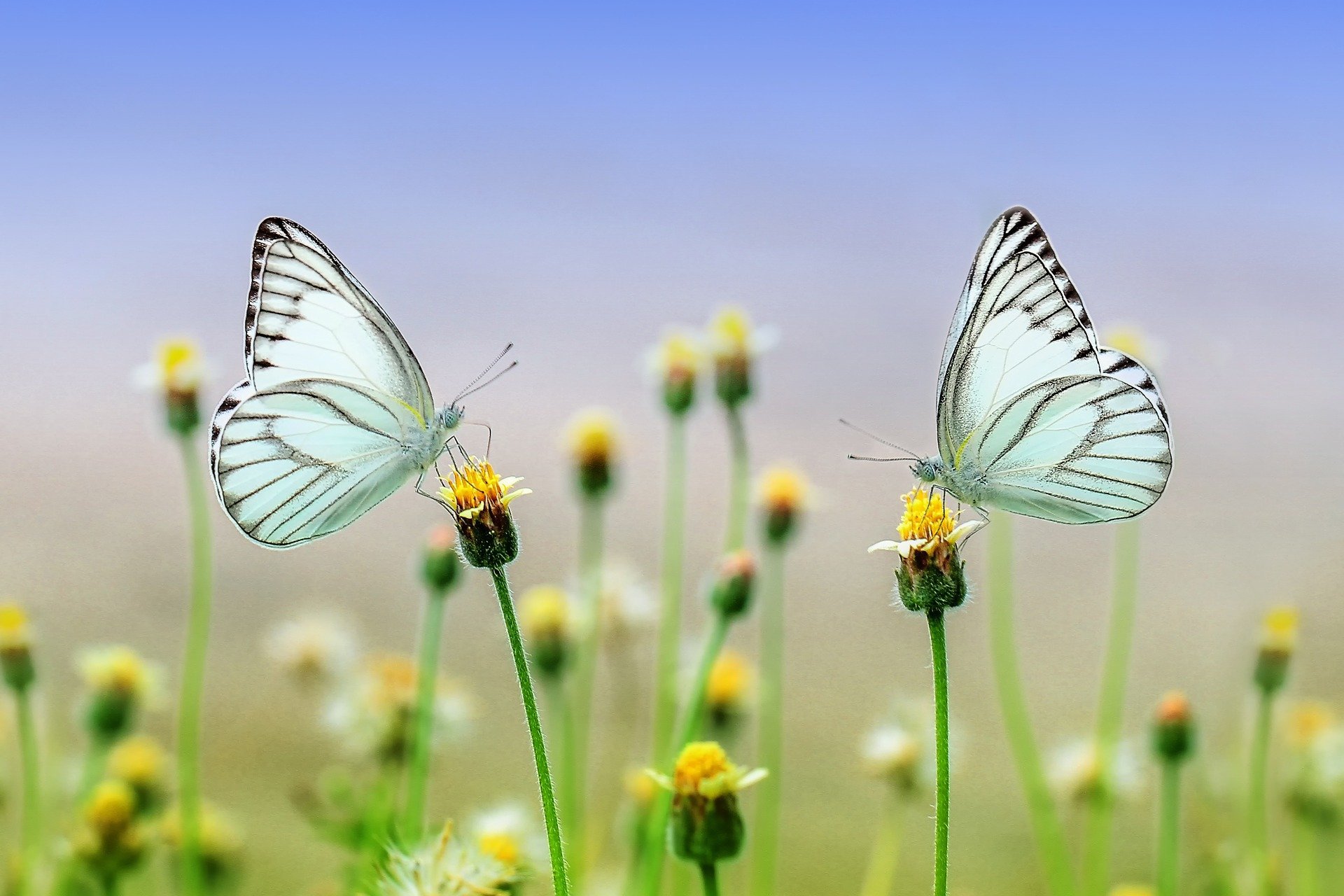
hillsideWhenever I mention the 7th Generation principle to most people, they think I’m talking about laundry detergent.

I’m always surprised that more people don’t know the origin of the term, so I felt it deserved a post of its own.

The “7th generation” principle taught by Native Americans says that in every decision, be it personal, governmental or corporate, we must consider how it will affect our descendents seven generations into the future.  So that the pristine sky, field and mountains in this photo will still be here for them to enjoy.

A generation is generally considered to be 25 years, so that’s 175 years.

It is clearly not embraced by most governments and corporations in the world today. I mean, when was the last time any of us thought about who’s coming along seven generations from now?

The 7th generation principal was so important to Native American cultures that it was codified in the Iroquois Great Law of Peace. To my knowledge, all Native American and indigenous tribes throughout the world embrace this teaching.

Those of us descended from the European culture have generally not given it a second thought.

Long before environmentalists got us thinking about “carbon footprints” and “sustainability,” indigenous peoples lived in balance with the world around them.

It’s even defined in their language:

Earthing: why even astronauts need to do it

earthingDo you know what you have in common with astronauts?  You both need to be in touch with the energy of Mother Earth in order to be healthy.  And “Earthing” [also known as “grounding”] is an easy way to do it.

Keeping astronauts in touch with the earth

We are so dependent on the earth’s energy, also known as her electromagnetic fields [EMF], that when we leave the planet for prolonged periods, we suffer.

The first Astronauts in space for long periods experienced what was called “space sickness”  – nausea and disorientation.

The cause was a mystery until one scientist, Prof. Winfried Schumann, theorized it was because the astronauts, upon leaving the earth’s atmosphere, were deprived of the earth’s “song” or electromagnetic resonance.

The next space mission to leave earth had an instrument in it to emit 7.83 hz [hertz], the average frequency of the earths EMF.

The result? No more space sickness.

The frequency of 7.83 hz is now called the “Schumann resonance” and all modern spacecrafts are said to contain a device which simulates it.

New research indicates that the earth’s magnetic resonances vibrate at the same frequency as human heart rhythms and brainwaves.  This would help explain why the practice of “Earthing” [standing barefoot on the earth] is so comfortable and beneficial.

Earthing is not new!

Beltaine — the celebration of the green

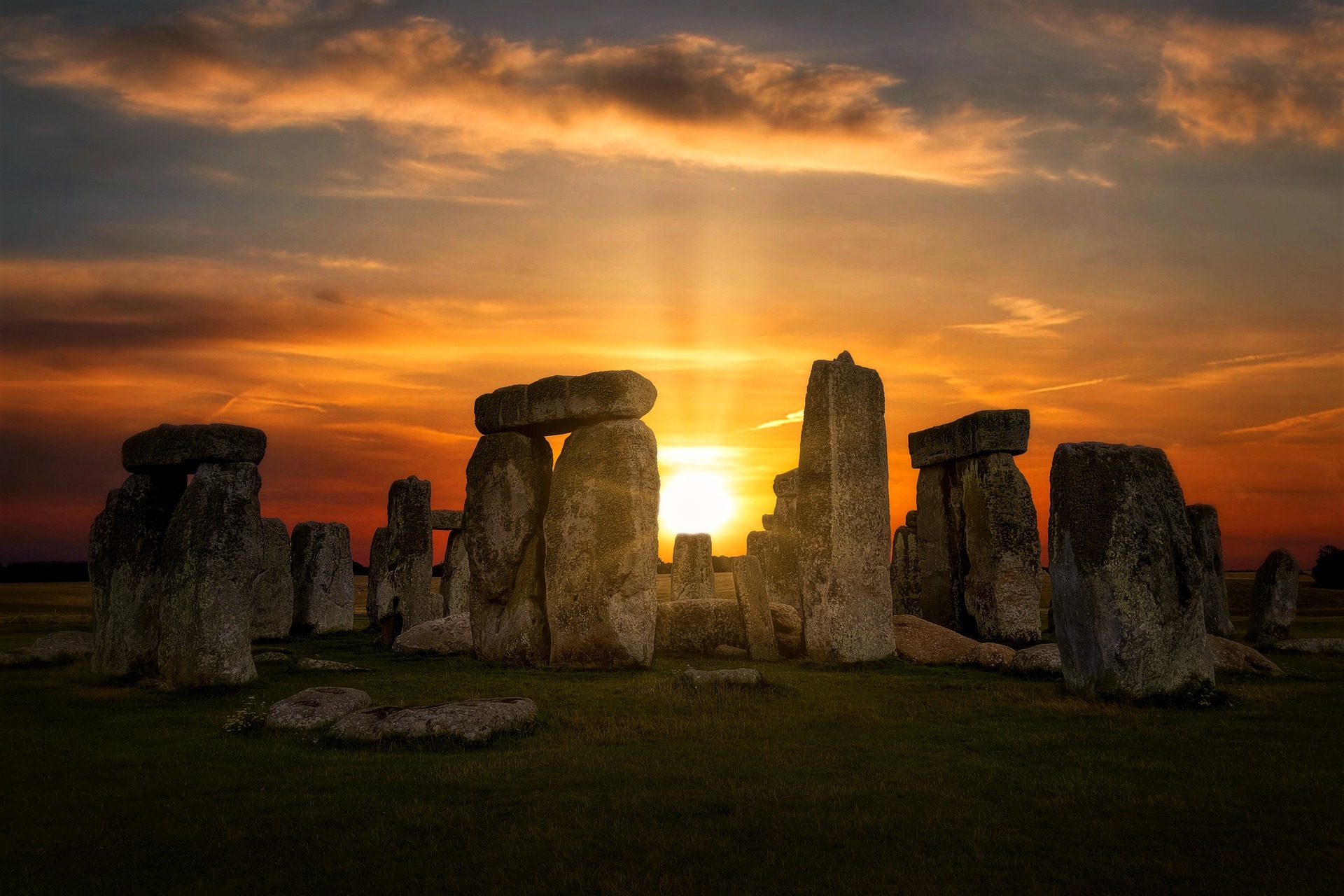
beltaineIn the Celtic calendar, May 1 is Beltaine, the first day of summer: the time to celebrate life, growth and love.   The word “Beltaine” derives from the ancient Celtic words for “brilliant fire.”

Our Gregorian calendar says its still spring.  But who cares?  It’s what’s going on outside our window that’s important.  Mother Nature doesn’t follow calendars, as we well know.

And again, this is not the post I had planned for this week.  But as I sat in meditation this morning, listening to the birds, frogs and crickets sing their songs, I suddenly realized it was May 1 and the perfect day to write about what’s going on in the natural world.

The First of May, known as May Day, has a tradition of festivals throughout the centuries.  It’s a time of celebration of springtime fertility [of soil, livestock and humans] and I would add: beauty!

The return of the Green

After a long hard winter here in Michigan, the weather has turned summer-like very quickly.

It seems as though just a few days ago the woods were bare of leaves and as I look out today, everything is turning green.  At an astounding rate!

Mother Nature was waiting for warmth and sun just as we were.  And she’s making up for lost time with fast growth.

As I ask myself what’s the lesson to learn from this, what comes to mind is:  It’s never too late!  Also, all good things come to those who wait.

It can’t happen here. But when it does…. 5 ways to find the silver lining in natural disasters

Silver LiningThere’s a saying that everyone knows they’re going to die, but no one believes it.  The same is true of natural disasters – everyone knows it could happen in their town, but no one believes it will.

And then it does.  And the big question will be:  were you prepared?

This is not the post I had planned for this week.  I was going to write about “Earthing” – the healing benefits of standing barefoot on Mother Earth.

But this week, my life got interrupted by a natural disaster, and I felt there would be more benefit in a post on the unexpected lessons that occur when Mother Earth seems [emphasis on the word “seems”] to turn against us.

Page 1 of 20 1 2 3 4 5 6 7 8 9 10
Viewing Options List View Grid View